

Melodies of Comfort: 7 Reasons Music Therapy Matters in Hospice
Have you ever wondered how something as simple as a melody could provide profound comfort in the most challenging times? In hospice care, where the focus is on quality of life rather than curative treatments, every element of care is vital in supporting patients and their families. One often-overlooked aspect of this care is hospice music therapy, a powerful tool that can ease the emotional, psychological, and even physical burdens at the end of life.
What is Music Therapy?
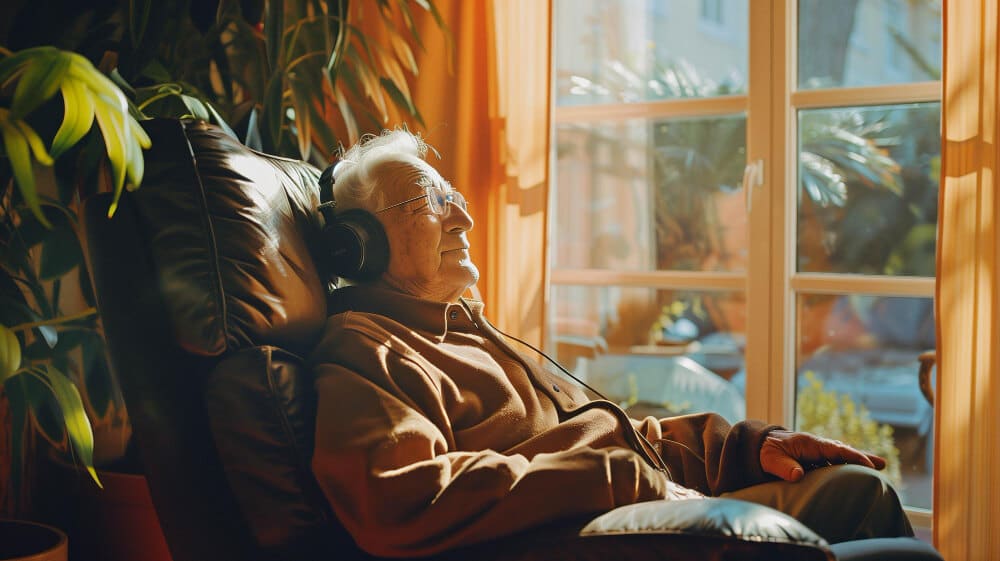
It is a clinical and evidence-based practice that uses music to address the emotional, cognitive, physical, and social needs of individuals. In the context of hospice care, this therapeutic approach is tailored to meet the unique needs of patients at the end of life, focusing on enhancing their quality of life and providing comfort during their final days.
Definition and Core Components
It is facilitated by a trained and certified music therapist who assesses each patient’s needs and preferences. The therapy sessions can include a variety of activities, such as:
- Listening to Music: Patients can listen to their favorite songs or specially selected music that resonates with their emotions and memories.
- Playing Instruments: Even those with no musical background can engage in playing simple instruments, which can be therapeutic and a means of self-expression.
- Singing: Singing along to songs, whether individually or in a group, can foster a sense of connection and emotional release.
- Songwriting: Patients may compose songs that reflect their thoughts, feelings, and experiences, which can be a meaningful way to process emotions.
- Movement to Music: Gentle movement or dance to music can help patients connect with their bodies and relieve physical tension.
What’s Included in Music Therapy?
The scope of therapy in hospice care is broad, encompassing various techniques and interventions that are personalized to the individual’s needs. Some of the common elements include:
- Emotional Support: Therapy helps patients express and process complex emotions such as fear, sadness, and even joy.
- Pain Management: Music can serve as a distraction from pain or even alter the perception of pain, reducing the need for medication.
- Cognitive Stimulation: For patients with cognitive impairments, familiar music can stimulate memories and cognitive function, providing moments of clarity.
- Spiritual Comfort: Music often plays a role in spiritual care, helping patients connect with their spirituality and find peace.
- Family Involvement: Therapy sessions can include family members, providing them with a way to connect with their loved one and share meaningful experiences.

7 Reasons Why It Matters in Hospice
Emotional Healing Through Music
Music has the unique ability to connect with emotions in a way that words often cannot. In music therapy and hospice care, therapists use tailored music sessions to help patients express feelings of fear, sadness, or even joy, offering a sense of emotional release. Research has shown that music can reduce anxiety and depression in hospice patients, with one study reporting a 33% reduction in anxiety levels among participants.
Pain Management with Melodies
Chronic pain is a common challenge for those in hospice care. Music therapy in hospice care has been proven to reduce the perception of pain, often allowing for lower doses of medication. A study published in the Journal of Pain and Symptom Management found that patients receiving music therapy for hospice patients experienced significant reductions in pain intensity, with some reporting up to a 50% decrease in their pain levels.
Enhancing Communication and Connection
For patients who may have difficulty communicating due to illness, music therapy in hospice offers an alternative means of expression. Familiar hospice music therapy songs can evoke memories, stimulate conversation, and even bridge communication gaps between patients and their loved ones. This form of therapy fosters a sense of connection, which is crucial during the end-of-life journey.
Providing a Sense of Control
In a time when so much feels beyond control, hospice care music therapy can offer patients a way to make choices and exert some control over their environment. Whether selecting their favorite songs or choosing how they wish to engage with the music, patients find empowerment in these small decisions, contributing to a greater sense of dignity and autonomy.
Spiritual Comfort and Reflection
For many, the end of life is a time of deep spiritual reflection. Music therapy for end of life care often incorporates spiritual or religious music that resonates with the patient’s beliefs, providing solace and aiding in spiritual contemplation. Studies have found that patients who engage in music therapy hospice often report a heightened sense of spiritual well-being .
Supporting Family Members
The benefits of hospice and palliative care music therapy extend beyond the patients to their families. Music therapy sessions can be a shared experience, allowing families to create lasting memories, express their emotions, and find comfort in the music together. This shared experience can be a source of strength and healing for families as they navigate the emotional challenges of their loved one’s final days.
Enhancing the Quality of Life
Ultimately, the goal of music therapy for hospice patients is to enhance their quality of life. By addressing emotional, physical, and spiritual needs, hospice music therapy provides comprehensive support that aligns with the holistic approach of hospice care. Studies consistently show that patients who receive music therapy report higher levels of satisfaction with their care, which translates to a more peaceful and dignified end-of-life experience .
Conclusion
In the serene and sometimes somber environment of hospice, music becomes more than just sound—it becomes a source of comfort, connection, and healing. Music therapy and hospice go hand in hand in ensuring that patients and their families experience the highest quality of life possible during the most challenging of times. By integrating music therapy in hospice care, we can honor the emotional and spiritual needs of those at the end of life, creating a legacy of care that resonates long after the last note has played.

4 Comments
downloader youtube online
Thank you for sharing this insightful article! I found the information really useful and thought-provoking. Your writing style is engaging, and it made the topic much easier to understand. Looking forward to reading more of your posts!
igameplay
I have been browsing online more than three hours today yet I never found any interesting article like yours It is pretty worth enough for me In my view if all website owners and bloggers made good content as you did the internet will be a lot more useful than ever before
forbesblogs
Wow amazing blog layout How long have you been blogging for you made blogging look easy The overall look of your web site is magnificent as well as the content
bestiptv smarters
Its like you read my mind You appear to know so much about this like you wrote the book in it or something I think that you can do with a few pics to drive the message home a little bit but instead of that this is excellent blog A fantastic read Ill certainly be back