

Meal Planning for Diabetics: Healthy, Easy Recipes You Can Prepare at Home
Managing diabetes effectively requires careful meal planning and preparation. A well-structured diabetic meal prep helps maintain stable blood sugar levels, ensures balanced nutrition, and reduces the risk of complications. Whether you’re newly diagnosed or looking for fresh meal prep ideas for diabetics, this guide provides everything you need to create healthy and delicious meals at home.
Why Meal Planning is Essential for Diabetes Management
According to the CDC, over 37 million Americans have diabetes, and approximately 96 million adults have prediabetes. Proper meal planning is crucial to managing the condition effectively. Many factors influence blood sugar, including the type and timing of meals. With structured diabetes meal prep, you can:
- Maintain balanced blood sugar levels: Properly balanced meals help prevent spikes and crashes in blood glucose.
- Control portion sizes: Overeating, even healthy foods, can disrupt blood sugar control.
- Reduce reliance on processed foods: Many processed foods contain hidden sugars and unhealthy fats.
- Save time and money: Cooking meals in advance helps reduce food waste and prevents unhealthy last-minute food choices.
- Ensure optimal nutrient intake: A well-planned meal helps incorporate essential vitamins and minerals for overall well-being.
Without a structured meal plan, people with diabetes may struggle to manage their condition, leading to complications such as cardiovascular disease, kidney problems, and nerve damage.
Understanding the Glycemic Index (GI)
The Glycemic Index (GI) ranks foods based on their impact on blood sugar levels. Foods with a high GI are rapidly digested and cause quick spikes in blood sugar, while low-GI foods digest more slowly, leading to gradual blood sugar increases. Diabetics should focus on low to moderate GI foods to maintain stable glucose levels. Here’s a quick breakdown:
Low GI Foods (55 or less)
These foods have minimal impact on blood sugar levels and are ideal for diabetics:
- Lentils and beans
- Non-starchy vegetables (broccoli, spinach, bell peppers)
- Nuts and seeds
- Most fruits (apples, pears, berries, oranges)
Medium GI Foods (56-69)
These foods can be included in moderation and should be paired with proteins or fats to slow sugar absorption:
- Whole wheat bread
- Sweet potatoes
- Brown rice
- Quinoa
- Oatmeal (not instant)
High GI Foods (70 or more)
These foods cause rapid blood sugar spikes and should be consumed rarely or in very small portions:
- White bread
- Instant oatmeal
- Sugary cereals
- White rice
- Processed snacks (chips, crackers, cookies)
The Importance of Low-GI Foods in a Diabetic Diet
Choosing low-GI foods helps prevent insulin resistance, reduces hunger pangs, and supports long-term diabetes management. For example, pairing fiber-rich whole grains with protein and healthy fats can slow glucose absorption and keep you full longer. Example meal: A serving of brown rice with grilled chicken and steamed broccoli provides balanced nutrition without spiking blood sugar levels.
Key Components of a Diabetic Meal Plan

A balanced diabetic diet plan includes a mix of macronutrients to provide energy while keeping blood sugar stable. Below are the key food groups that should be prioritized:
1. Lean Proteins
Protein plays a crucial role in blood sugar control and muscle maintenance. Opt for lean protein sources such as:
- Poultry: Skinless chicken, turkey
- Fish: Salmon, tuna, mackerel (rich in omega-3s)
- Plant-Based Proteins: Tofu, lentils, chickpeas, quinoa
- Eggs: A great source of high-quality protein
- Low-Fat Dairy: Greek yogurt, cottage cheese
Including lean proteins in every meal helps regulate appetite and prevents sugar cravings.
2. Healthy Carbohydrates
Unlike refined carbs, complex healthy carbohydrates digest more slowly, minimizing blood sugar fluctuations. Some of the best choices include:
- Whole grains (quinoa, barley, oats, brown rice)
- Vegetables (leafy greens, bell peppers, zucchini, cauliflower)
- Fruits (apples, berries, oranges, cherries)
- Legumes (black beans, lentils, kidney beans)
Carbohydrates should make up 45-50% of a diabetic’s daily caloric intake, focusing on fiber-rich sources.
3. Healthy Fats
Not all fats are bad. Healthy fats support heart health, provide energy, and enhance meal satisfaction. Good options include:
- Avocados: Rich in monounsaturated fats and fiber
- Nuts and Seeds: Almonds, walnuts, flaxseeds, chia seeds
- Olive Oil: Ideal for cooking and salad dressings
- Fatty Fish: Salmon, mackerel, sardines (high in omega-3s)
Avoid trans fats and limit saturated fats, as these contribute to heart disease and insulin resistance.
4. Fiber-Rich Foods
Fiber plays a significant role in blood sugar control by slowing digestion and preventing sudden glucose spikes. Fiber-rich foods include:
- Vegetables: Broccoli, spinach, carrots, kale
- Whole Grains: Brown rice, oats, barley
- Legumes: Chickpeas, lentils, black beans
- Nuts and Seeds: Flaxseeds, chia seeds, almonds
Aiming for 25-30 grams of fiber daily can help regulate blood sugar, improve digestion, and support weight management.
5. Meal Timing and Portion Control
Besides choosing the right foods, meal timing and portion sizes play a key role in diabetes management. Key strategies include:
- Eat Consistently Throughout the Day: Skipping meals or consuming too much food at once can lead to blood sugar imbalances. Eating small, frequent meals helps maintain steady glucose levels.
- Monitor Portion Sizes: Even healthy foods can raise blood sugar if eaten in excess. Using portion control techniques helps prevent overeating:
- Use smaller plates to control portions visually.
- Follow the plate method: Half plate vegetables, one-quarter lean protein, one-quarter whole grains.
- Measure portions using cups or a food scale when necessary.
Meal Prep Ideas for Diabetics
To make meal prep diabetes-friendly and efficient, focus on batch cooking, portion control, and balancing macronutrients. Meal prepping helps reduce daily decision-making, ensures healthy eating, and maintains blood sugar stability. Below are some simple yet nutritious recipes to get started.
1. Breakfast: Overnight Chia Seed Pudding
Ingredients:
- 2 tbsp chia seeds
- 1 cup unsweetened almond milk
- 1/2 tsp vanilla extract
- 1/4 cup fresh berries
- 1 tsp flaxseeds
- Stevia (optional)
Directions:
- Mix chia seeds, almond milk, and vanilla extract in a jar.
- Let it sit overnight in the fridge.
- Top with berries and flax seeds before serving.
This easy breakfast is high in fiber, omega-3 fatty acids, and protein, making it ideal for a diabetic meal plan.
2. Lunch: Grilled Chicken & Quinoa Salad
Ingredients:
- 1 cup cooked quinoa
- 1 grilled chicken breast, sliced
- 1/2 cup cherry tomatoes
- 1/4 cup cucumbers, diced
- 1 tbsp olive oil
- Lemon juice & black pepper to taste
Directions:
- Combine all ingredients in a bowl.
- Drizzle olive oil and lemon juice.
- Mix well and enjoy.
Quinoa is a low-GI, fiber-rich grain, making it a great choice for meal prep ideas for diabetics.
3. Dinner: Baked Salmon with Roasted Vegetables
Ingredients:
- 1 salmon fillet
- 1/2 cup broccoli
- 1/2 cup zucchini
- 1 tbsp olive oil
- Garlic powder, salt & pepper to taste
Directions:
- Preheat oven to 375°F.
- Place salmon and vegetables on a baking sheet.
- Drizzle with olive oil and seasonings.
- Bake for 20-25 minutes.
Salmon is rich in omega-3 fatty acids, promoting heart health, which is crucial for individuals following a diabetic diet plan.
4. Snack: Greek Yogurt with Nuts and Seeds
Ingredients:
- 1/2 cup plain Greek yogurt
- 1 tbsp walnuts
- 1 tsp chia seeds
- 1 tsp honey (optional)
Directions:
- Mix yogurt with nuts and seeds.
- Drizzle honey if desired.
Greek yogurt is packed with protein and probiotics, which help in digestion and blood sugar management.
Weekly Diabetic Meal Plan Example
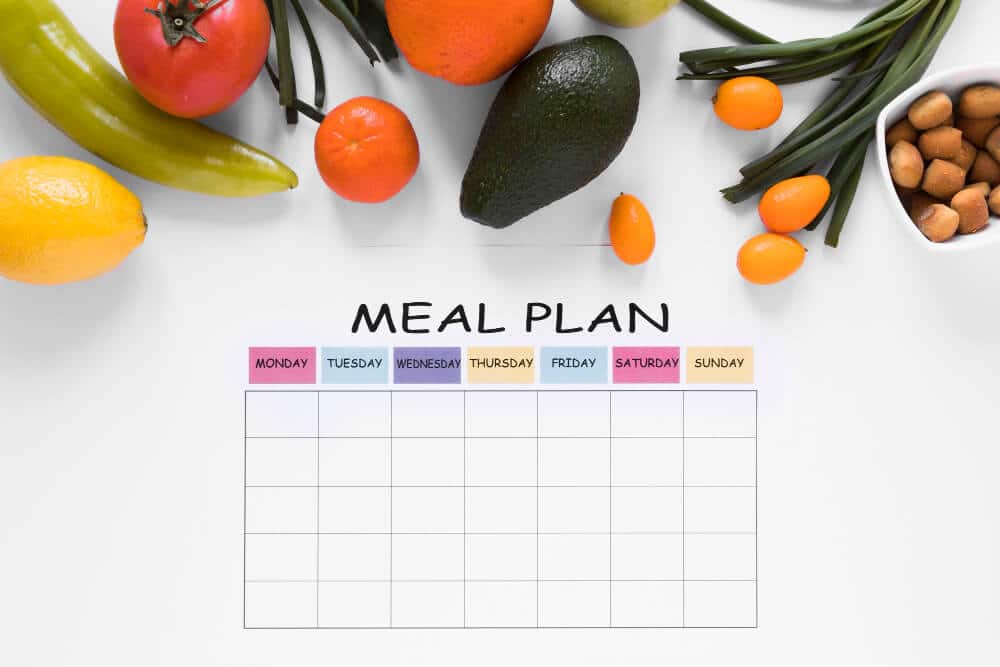
Monday
- Breakfast: Scrambled eggs with spinach and whole grain toast
- Lunch: Turkey and avocado wrap with whole wheat tortilla
- Dinner: Baked tilapia with steamed broccoli and quinoa
- Snacks: Almonds and a green apple
Tuesday
- Breakfast: Greek yogurt with nuts and berries
- Lunch: Grilled chicken salad with olive oil dressing
- Dinner: Stir-fried tofu with brown rice and vegetables
- Snacks: Cottage cheese with flaxseeds
Wednesday
- Breakfast: Oatmeal with cinnamon and walnuts
- Lunch: Lentil soup with whole grain crackers
- Dinner: Grilled shrimp with zucchini noodles
- Snacks: Carrot sticks with hummus
Grocery Shopping Tips for Diabetic meal prep

1. Stick to the Perimeter
Most fresh produce, dairy, and proteins are located around the store’s perimeter. Focus on purchasing fresh, whole foods instead of processed items.
2. Read Labels Carefully
Check for added sugars, unhealthy fats, and high sodium content. Look for products labeled low-GI, whole grain, or high-fiber.
3. Buy in Bulk
Stocking up on healthy staples like brown rice, quinoa, nuts, and frozen vegetables ensures you always have nutritious options available.
4. Choose Whole Over Processed
Whole foods are richer in nutrients and fiber, which helps in controlling blood sugar and improving digestion.
Sample 3-Day Diabetic Meal Plan
Day 1
- Breakfast: Scrambled eggs with whole grain toast and avocado
- Snack: Greek yogurt with chia seeds and berries
- Lunch: Grilled chicken with quinoa and roasted Brussels sprouts
- Snack: Almonds and a small apple
- Dinner: Baked salmon with brown rice and sautéed spinach
Day 2
- Breakfast: Oatmeal with nuts, flaxseeds, and blueberries
- Snack: Cottage cheese with cucumber slices
- Lunch: Lentil soup with a side of whole wheat crackers
- Snack: Hummus with raw vegetables
- Dinner: Stir-fried tofu with mixed vegetables and quinoa
Day 3
- Breakfast: Scrambled tofu with spinach and whole grain toast
- Snack: Hard-boiled egg with walnuts
- Lunch: Grilled shrimp salad with avocado and mixed greens
- Snack: Peanut butter on whole grain crackers
- Dinner: Grilled turkey breast with mashed sweet potatoes and green beans
Meal Prep Hacks for Diabetics
- Batch Cooking: Prepare large portions of healthy meals and store them in containers for easy reheating throughout the week.
- Portion Control: Use meal prep containers to separate meals into individual servings to avoid overeating.
- Slow Cooker & Instant Pot Recipes: These appliances help create healthy meals with minimal effort.
- Pre-Chop Vegetables: Save time by pre-cutting vegetables for snacks and cooking.
- Freeze Meals: Prepare and freeze soups, stews, and proteins to always have diabetes-friendly meals available.
How Safe Hands Home Health Care Can Help
At Safe Hands Home Health Care, we understand that meal planning for diabetics can be overwhelming. Our dietitians and caregivers provide guidance to help individuals with diabetes make informed dietary choices. Learn more about our services at SafeHandsHHC.com.
Final Thoughts
Effective diabetes meal planning involves choosing the right foods, balancing macronutrients, and controlling portions. By prioritizing low-GI foods, lean proteins, healthy fats, and fiber-rich foods, individuals with diabetes can maintain stable blood sugar levels and improve overall well-being.
Meal planning doesn’t have to be overwhelming—start small, make gradual changes, and explore new healthy recipes. With the right approach, managing diabetes can become a seamless and enjoyable part of daily life.
For more support, visit Safe Hands Home Health Care at SafeHandsHHC.com.
